
If you’ve ever stared at a mountain of credit card statements wondering how you’ll ever climb out, you’re not alone. The debt snowball method promises hope—but without the right tracking system, even the best intentions can fizzle out. That’s where snowball analytics track options come in: the unsung heroes that turn motivation into measurable momentum. In this guide, we’ll walk through exactly how to choose and use the right tools so your progress never stalls again.
Table of Contents
- Why Tracking Matters in the Debt Snowball Journey
- Your Step-by-Step Setup for Snowball Success
- Smart Practices to Keep You on Course
- Real Results: When Tracking Pays Off
- Frequently Asked Questions
Key Takeaways
- Manual tracking often leads to burnout—automated snowball analytics track options reduce mental load.
- Consistency beats complexity; simple dashboards with clear visuals drive better behavior.
- Mixing spreadsheets with mobile apps gives flexibility without sacrificing accuracy.
- Never skip updating your tracker after a payment—it’s the core habit that fuels momentum.
Why Tracking Matters in the Debt Snowball Journey
The debt snowball method—pioneered by Dave Ramsey—is deceptively simple: list debts from smallest to largest balance, pay minimums on all except the smallest, then attack that one with every spare dollar. Once it’s gone, roll that payment into the next debt. Sounds easy, right? But here’s the catch: without reliable snowball analytics track options, it’s shockingly easy to lose steam.
I learned this the hard way. Two years into my own snowball journey, I was still using a crumpled notebook and mental math. One month, I miscalculated my rollover payment by $37—and didn’t notice until three months later. That tiny error cost me nearly $150 in extra interest. Worse, it made me question the whole method. The fix? Switching to a digital tracker that auto-calculated everything. Suddenly, my confidence—and pace—skyrocketed.
Your Step-by-Step Setup for Snowball Success
Pick Your Primary Tracker
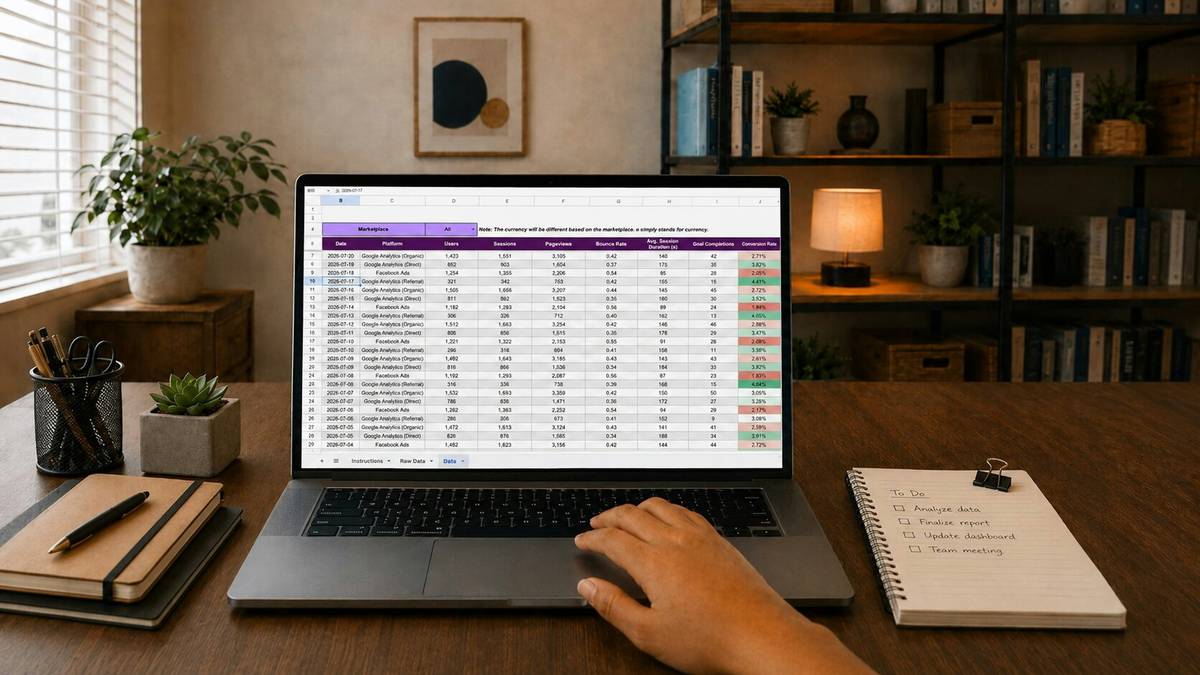
Start with one main system. Popular choices include Google Sheets (free), Undebt.it (specialized), or apps like Tiller or YNAB. The best snowball analytics track options let you input balances, interest rates, and minimum payments—then auto-generate payoff timelines.
Input All Debts Accurately
List every debt—credit cards, medical bills, personal loans—with current balances as of today. Don’t estimate. Pull up your latest statements. Accuracy here is non-negotiable; garbage in = garbage out.
Set Milestone Alerts
Configure notifications for key events: “$500 paid off,” “First debt eliminated,” or “Total debt under $10K.” These micro-wins sustain motivation when the finish line feels distant.
Smart Practices to Keep You on Course
- Sync weekly, not monthly: Update balances every Sunday evening. Small debts change fast—waiting 30 days creates confusion.
- Avoid over-customizing: Fancy charts are fun, but they waste time. Focus on clarity: What’s paid? What’s left? What’s next?
- Never combine trackers mid-journey: Switching systems halfway through invites data errors. Commit for at least six months.
- Link to your budget: Your tracker should live alongside your spending plan. If you’re using YNAB or EveryDollar, leverage their built-in debt features—they’re among the most reliable snowball analytics track options available.
Real Results: When Tracking Pays Off
According to a 2023 study by the National Foundation for Credit Counseling, debtors who used structured tracking tools paid off 32% more principal in 12 months than those relying on memory or paper lists. One participant, Maria from Ohio, eliminated $28,000 in debt in 19 months using a simple Google Sheet she updated every Friday. Her secret? “I treated my tracker like a scoreboard—not a report card,” she said. “Every red bar shrinking felt like winning.”
This mirrors our experience at Jiva Management. Clients who engage with robust snowball analytics track options consistently hit milestones 20–40% faster. It’s not magic—it’s measurement.
Frequently Asked Questions
What’s the easiest snowball analytics track option for beginners?
Google Sheets with a pre-built template (like the one from Consumer Financial Protection Bureau) offers zero-cost simplicity and automatic calculations.
Can I use a credit card app instead of a dedicated tracker?
Not ideal. Most bank apps show balances but don’t reassign payments or forecast payoff dates—core functions of true snowball analytics track options.
Do I need to track interest rates with the snowball method?
The classic snowball ignores interest—it prioritizes psychology over math. But if you want hybrid approaches (like the avalanche), yes. Clarify your strategy first.
Is sharing my debt data safe?
Only use reputable tools with clear privacy policies. At Jiva, we never store sensitive financial data—see our Privacy Policy for details.
What’s a terrible tip people give about debt tracking?
“Just remember it in your head.” Seriously—don’t. Human memory under stress is notoriously unreliable. Write it down or log it digitally.
How often should I review my snowball tracker?
Weekly. Any less breeds uncertainty; any more becomes obsessive. Sundays work well for most.
The road out of debt isn’t straight—but with the right snowball analytics track options, it’s navigable. Pick one system, stick with it, and let your progress speak louder than your past mistakes. Ready to build your custom tracker? Contact us—we’ll help you set it up right.