
If you’ve ever stared at a mountain of credit card bills, student loans, and medical debt feeling completely paralyzed, you’re not alone. The average American carries over $90,000 in debt—and without a clear plan, that number can feel like a life sentence. Enter the debt snowball method: a behavioral finance strategy that prioritizes small wins to build momentum. But here’s the catch—doing it manually with pen and paper or scattered notes often leads to confusion, missed payments, and lost motivation. That’s why a well-built debt snowball method spreadsheet isn’t just helpful—it’s essential.
In this guide, we’ll walk you through exactly how to use a debt snowball method spreadsheet effectively, avoid common pitfalls (yes, I learned some the hard way), and actually stick with your payoff plan until you’re debt-free. Let’s dig in.
Table of Contents
- Why a Spreadsheet Makes or Breaks Your Debt Snowball
- Step-by-Step: Building and Using Your Debt Snowball Spreadsheet
- 5 Best Practices for Long-Term Success
- Real Results: How Sarah Paid Off $28K in 14 Months
- Frequently Asked Questions
Key Takeaways
- A debt snowball method spreadsheet automates tracking, prevents errors, and keeps you motivated.
- List debts from smallest to largest balance—not interest rate—and pay minimums on all except the smallest.
- Roll the freed-up payment from each paid-off debt into the next one—that’s the “snowball” effect.
- Update your spreadsheet weekly; consistency beats complexity.
- Use free templates or build your own—but never skip the psychological win of checking off a debt.
Why a Spreadsheet Makes or Breaks Your Debt Snowball
I tried the debt snowball method twice before it stuck—both times without a proper spreadsheet. The first attempt? I scribbled balances on a sticky note. By month three, I’d forgotten which debt I’d just paid off and accidentally doubled up on a payment while missing another. My credit score took a hit, and my morale tanked.
The debt snowball works because it leverages human psychology: quick wins build confidence. But that only happens if you can see progress clearly. A debt snowball method spreadsheet gives you real-time visibility into balances, due dates, and cumulative progress—turning abstract goals into tangible victories.
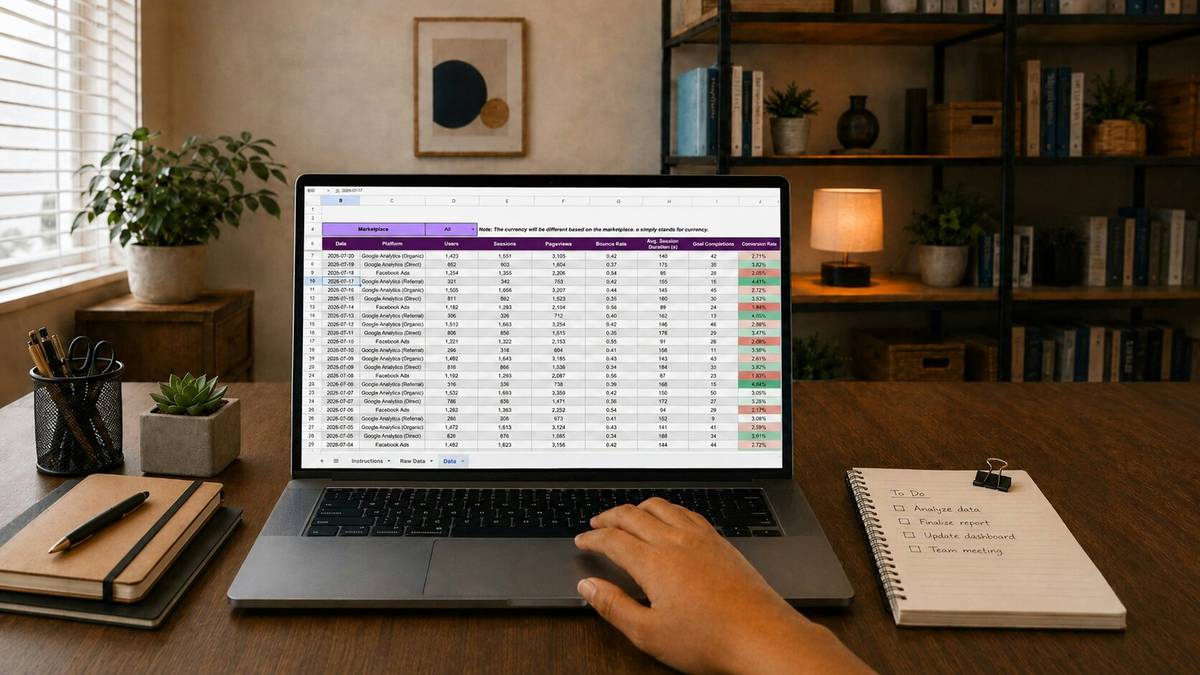
Step-by-Step: Building and Using Your Debt Snowball Spreadsheet
List All Debts from Smallest to Largest Balance
Ignore interest rates for now. Sort by outstanding balance—lowest first. Include credit cards, personal loans, medical bills—everything except your mortgage.
Record Minimum Payments and Due Dates
For each debt, log the current minimum payment and due date. This ensures you never miss a required payment while focusing extra cash on your target debt.
Allocate Your Snowball Payment
Decide how much extra you can put toward your smallest debt each month. Add that to its minimum payment. Once it’s paid off, take that entire payment amount (minimum + extra) and roll it into the next smallest debt.
Track Progress Weekly
Update balances every week—not just monthly. Seeing incremental progress (even $20 less!) reinforces commitment. Most free templates auto-calculate payoff dates based on your inputs.
5 Best Practices for Long-Term Success
- Freeze credit cards once paid off—don’t reuse them unless you’ve changed spending habits.
- Automate minimum payments to avoid late fees, but manually apply your snowball amount for control.
- Review your spreadsheet every Sunday—treat it like a financial meditation.
- Don’t skip emergency savings. Even $500 prevents new debt when surprises hit.
- Avoid this terrible tip: “Just pay off the highest-interest debt first.” Mathematically sound? Yes. Behaviorally sustainable for most people? Often no. The debt snowball wins on psychology—which is why studies (like those from Harvard researchers) show behavioral strategies beat pure math for real humans.
Real Results: How Sarah Paid Off $28K in 14 Months
Sarah, a teacher from Ohio, had $28,300 across five debts—from a $320 gym membership fee to a $12,000 car loan. Using a debt snowball method spreadsheet, she paid off her smallest debt in 11 days. That $45/month then rolled into her next debt—a $1,200 credit card—gone in 6 weeks. Within 14 months, she was debt-free (excluding her mortgage). Her secret? “I updated my spreadsheet every Friday with wine in hand. It felt like leveling up in a video game,” she told us at Jiva Management.
Her spreadsheet tracked not just numbers, but emotional milestones—like the day she deleted her second credit card app. Small wins compound.
Frequently Asked Questions
Is the debt snowball method better than the debt avalanche?
The avalanche method saves more on interest by targeting highest rates first. But the snowball builds motivation faster by eliminating debts quickly. Choose based on your personality—if you need fast wins, snowball wins.
Where can I get a free debt snowball method spreadsheet?
Many sites offer templates (Google Sheets, Excel). Just ensure it lets you input custom debts, auto-calculates payoff timelines, and updates balances.
Do I include my mortgage in the debt snowball?
No. The standard approach excludes secured, long-term debt like mortgages and auto loans (unless the car loan is small and unsecured).
What if I miss a payment?
Don’t quit. Log it in your spreadsheet, adjust your timeline, and keep going. Consistency over time matters more than perfection. If unexpected expenses arise, revisit our privacy policy on how we protect user data if you ever share financial details with us.
Can I use an app instead of a spreadsheet?
Yes—but many apps lack customization. A spreadsheet gives you full control, zero subscription fees, and offline access.
How often should I update my debt snowball method spreadsheet?
Weekly. Real-time tracking prevents discouragement and catches errors early.
If you’re ready to build your own custom plan—or just want someone to review your current spreadsheet—we’re here to help. Reach out anytime via our Contact Us page. Because freedom isn’t just a balance—it’s a feeling.
Debt down. Head high. Spreadsheet open.